




Mind
More Than Just the Blues: Navigating Depression in Perimenopause
If you’re feeling a persistent sadness, a loss of interest in things you once loved, or a sense of hopelessness, it’s important to know that this isn’t “than just a bad mood.” Women are at a significantly higher risk of experiencing depression during the perimenopausal transition, even if they’ve never had it before. This is a real medical condition, and it deserves compassionate, informed care.
What’s Happening in Your Body? The hormonal shifts of perimenopause, especially the decline in estrogen, disrupt your brain’s ability to regulate key mood chemicals like serotonin and dopamine. Estrogen plays a crucial role in helping these neurotransmitters function properly.
When estrogen becomes erratic, your mood can too. This internal rollercoaster is often happening on top of all the external life stressors women face during this stage.
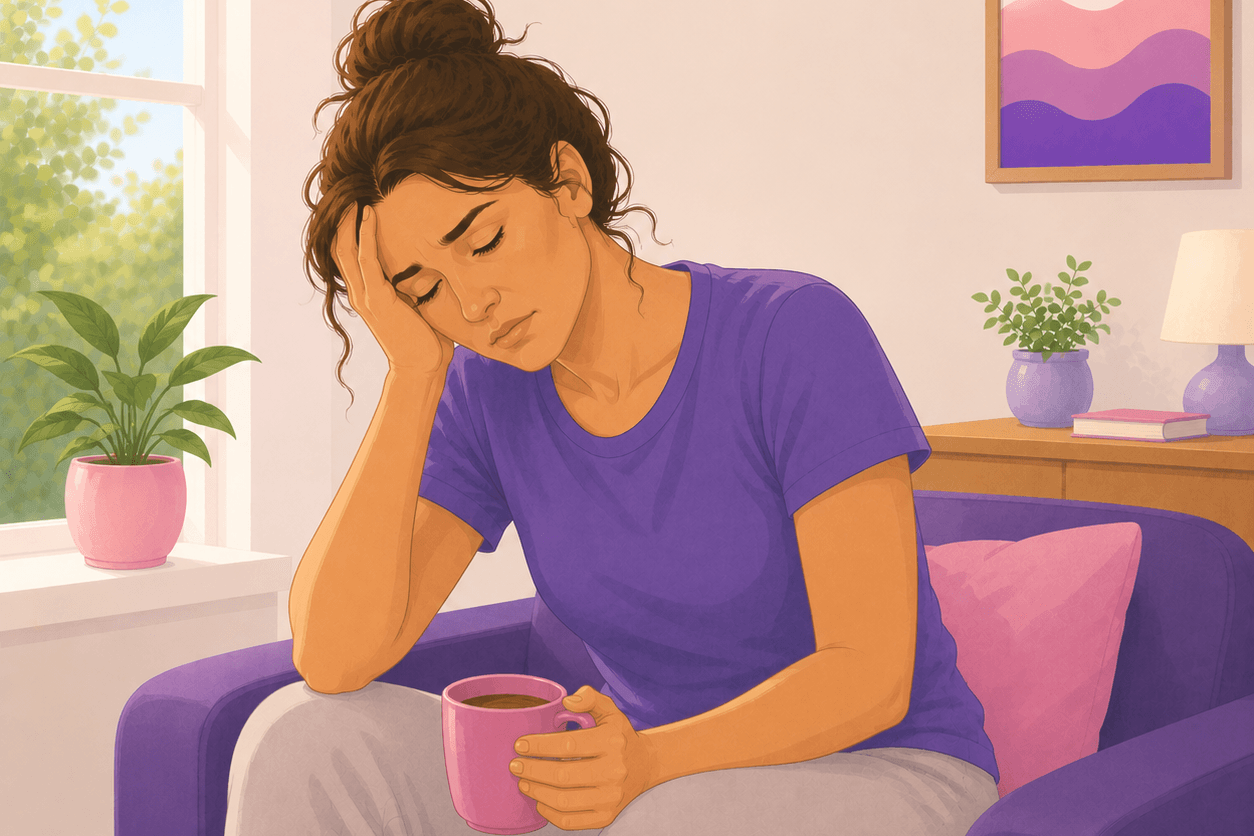
Actionable Steps to Support Your Mood:
Talk to a Professional: This is number one. Depression is a medical condition — not a personal failing. There’s no shame in seaking support.
Try This: Speak to your doctor or a mental health professional. Therapy (like Cognitive Behavioral Therapy), medication (like SSRIs), or a combination can be incredibly effective.
Move Your Body, Even When You Don’t Want To: Exercise has powerful antidepressant effects. It boosts endorphins and can help regulate neurotransmitters.
Try This: Start small. A 10-minute walk outside is a huge victory. The goal is not a grueling workout, but gentle, consistent movement.
Soak in Some Sunlight Sunlight on Your Face: Bright light exposure, especially in the morning, helps to regulate your circadian rhythm and has been shown to have a powerful positive effect on mood.
Try This: Aim for 10 minutes of morning sunlight within an hour of waking. Have your morning tea or coffee outside or by a sunny window.
The 'Behavioral Activation' Trick: Do One Small Thing You Enjoy
When you’re feeling depressed, motivation disappears. It’s not that you don’t want to feel better — it just feels impossible to start. Behavioral Activation flips the script: instead of waiting to feel motivated to do something, you do something small to generate momentum.
How to do it:
Make a List: Write down a few activities you normally enjoy (even little things like petting your dog or putting on music).
Pick the Easiest One: Start with whatever feels lowest-effort today.
Do It for 5 Minutes: Set a timer and do that one small thing for just five minutes. Don’t worry about whether you’re “enjoying” it. Just go through the motions.
These small wins help rebuild your brain’s reward system. Even if it doesn’t feel good right away, it lays the groundwork for change.

The Serotonin Dip: How Estrogen Fluctuations Impact Mood
Serotonin is often called the “feel-good” neurotransmitter. It’s crucial for feelings of well-being, calm, and happiness. Its production and function in the brain are intricately linked to estrogen.
Estrogen acts like a support system for serotonin in several ways:
- It helps to boost the production of serotonin.
- It increases the number of serotonin receptors in the brain, making your brain more sensitive to the serotonin you have.
- It helps to regulate the re-uptake of serotonin, allowing it to stay active in the brain for longer.
- When estrogen levels swing or drop during perimenopause, this system can become unstable — leading to classic depressive symptoms like:
- Low mood
- Anxiety or irritability
- Loss of motivation or interest in things you normally enjoy
- This is also why SSRIs (serotonin-targ