




Body & weight
Feeling Off-Balance? Your Guide to Perimenopause Dizziness
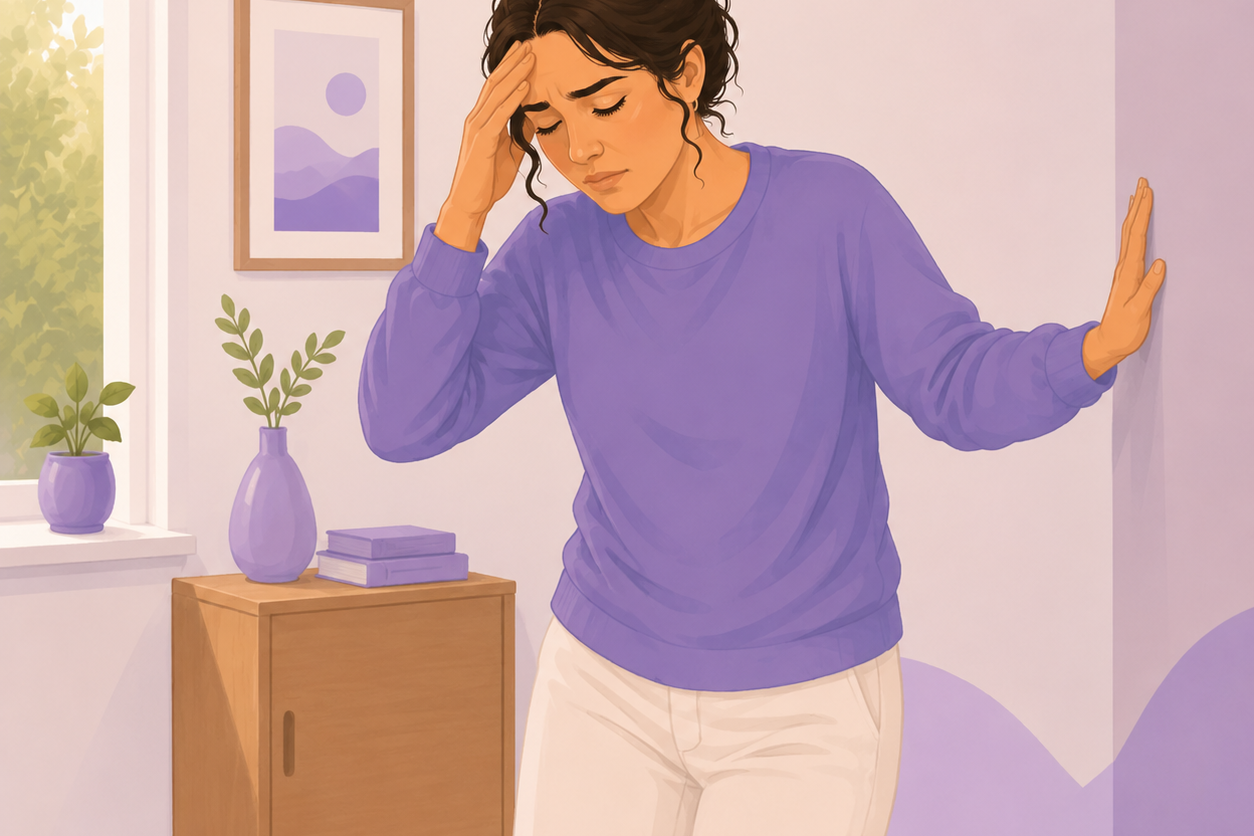
That sudden sensation that the room is spinning — or that lightheaded, floaty feeling — can be scary and disorienting. If this has started or worsened during perimenopause, you’re not imagining it. Hormones may be playing a major role.
What’s Happening in Your Body?
- Dizziness during perimenopause can stem from multiple changes:
- Fluctuating hormones can impact your blood pressure and blood sugar regulation, making you feel lightheaded.
- They can also disrupt the fluid balance in your inner ear — the part of your body that acts like a gyroscope.
- Add in common contributors like poor sleep, anxiety, and nutrient deficiencies, and dizziness can become a regular and disruptive symptom.
Actionable Tips to Find Your Footing:
- Stay Hydrated: Dehydration lowers your blood volume, which can drop your blood pressure and leave you feeling woozy
- Try This: Drink at least 8 glasses of water daily. If you’re sweating often (from hot flashes or workouts), consider adding an electrolyte powder.
- Move Slowly and Mindfully: Abrupt changes in position are a frequent trigger.
- Try This: When getting out of bed, sit on the side of the bed for a minute before standing up fully. Rise slowly from a chair instead of jumping up.
- Check Your Iron Levels: Heavy periods can leave you low in iron, making it harder to deliver oxygen to your brain and tissues.
- Try This: Ask your doctor for a simple blood test to check your iron and ferritin (iron storage) levels.
The 'Half-Somersault' Maneuver for Positional Vertigo
If your dizziness feels like the room is spinning and is triggered by certain head movements (like rolling over in bed), you might be dealing with Benign Paroxysmal Positional Vertigo (BPPV) — a common condition during and after perimenopause.
It happens when tiny crystals in your inner ear (called otoconia) get dislodged. This simple maneuver, created by Dr. Carol Foster, can help guide them back into place.
How to do the Half-Somersault:
(Please perform this on a soft surface like a carpet or yoga mat. Stop if you feel severe pain or nausea.)
- Kneel down, looking up at the ceiling for a few seconds.
- Tuck your chin to your chest and place the top of your head on the floor.
- Turn your head toward the shpulder that feels dizzy. Hold 30 seconds.
- Raise your head, keeping it turned, until level with your back (like you’re on all fours). Hold 30 seconds.
- Sit back up, head still turned, and return to upright. Some dizziness may briefly return — that’s normal.
- You can repeat this a few times if needed.
How Inner Ear Crystals and Hormones Can Make You Dizzy
Your inner ear is full of fluid-filled canals lined with tiny calcium crystals called otoconia. These crystals help your brain interpret balance, motion, and orientation.
When estrogen levels decline in perimenopause, some researchers believe these crystals may become less stable. This makes them more likely to break free and float into places they shouldn’t — disrupting how your brain processes movement.
This mismatch between your brain and body’s signals can cause vertigo, even if you’re standing still. While more research is needed, the rise in BPPV after menopause strongly points to a hormonal connection.