




Sleep
More Than Snoring: A Guide to Sleep Apnea in Perimenopause
If you’ve ever been told you snore loudly, or you wake up gasping for air — or you feel exhausted even after a full night’s sleep — it might be more than poor sleep. The risk for Obstructive Sleep Apnea (OSA) rises dramatically for women after menopause.
This is a serious medical condition where your breathing stops and starts repeatedly during the night. And yes, it requires a real diagnosis.
What’s Happening in Your Body?
During an apnea episode, the muscles in your throat relax too much, causing your airway to collapse and block airflow. Your brain senses the drop in oxygen and jolts you awake just enough to reopen the airway — often with a gasp or snort. This can happen hundreds of times a night without you remembering it. The decline in progesterone, a hormone that keeps airway muscles firm and toned, is a big reason this becomes more common in midlife
Signs to Watch For (They’re Often Subtle in Women):
- Loud, persistent snoring
- Waking up with a dry mouth or morning headaches
- Insomnia or frequent awakenings
- Excess daytime fatigue (despite 7–9 hours of sleep)
- Mood shifts, anxiety, or brain fog
Actionable Steps to Take:
- Talk to Your Doctor About a Sleep Study: This is the only way to know for sure. Untreated sleep apnea increases the risk of heart disease, diabetes, and cognitive decline.
- Avoid Alcohol and Sedatives Before Bed: These relax your throat muscles even more, making airway collapse more likely.
- Maintain a Healthy Weight: Fat deposits around the neck can make it harder to keep the airway open. Even a modest weight loss can help.
The 'Side Sleeping' Strategy to Improve Airflow
If you’re waiting on a diagnosis or looking for ways to support your breathing at night, simply changing your sleep position can help.
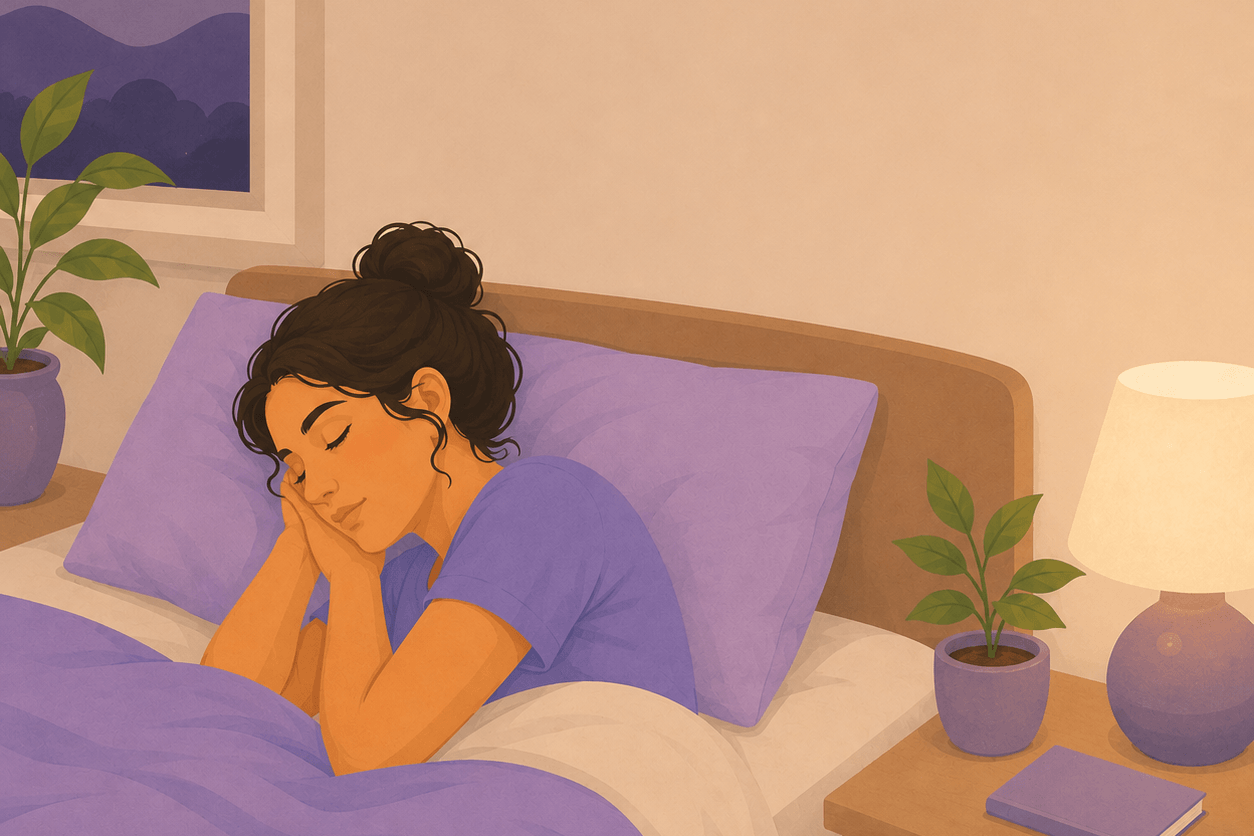
Sleeping on your back is the worst position for apnea. It lets gravity pull the soft tissues in your throat backward, increasing your chance of airway blockage. Sleeping on your side keeps your airway more open.
How to Stay on Your Side:
The Pillow Trick:
Use a firm pillow behind your back as a wedge, or hug a body pillow to stay stable and comfy.
The Tennis Ball Method:
Sew a tennis ball into the back of an old t-shirt. It’s old-school, but makes sleeping on your back uncomfortable enough to train your body to stay on its side.
How Progesterone Protects Your Airway (And What Happens When It Drops)
Here’s something few people know: progesterone helps keep your airway open at night. It’s a natural respiratory stimulant that helps your brain signal the muscles in your upper airway to stay firm and toned during sleep.
Think of it as a coach whispering: “Stay strong. Stay open.”
Before menopause, this gives women a protective edge against sleep apnea. But after menopause — when progesterone drops — the upper airway muscles lose some of their tone. This makes them more likely to collapse during sleep, especially in the second half of the night when muscle relaxation peaks.
This hormonal shift helps explain why women’s risk of obstructive sleep apnea rises sharply after menopause, eventually matching or exceeding men’s.