Worsening PMS Symptoms
Sexual Health
PMS on Steroids: Why It Gets Worse in Perimenopause
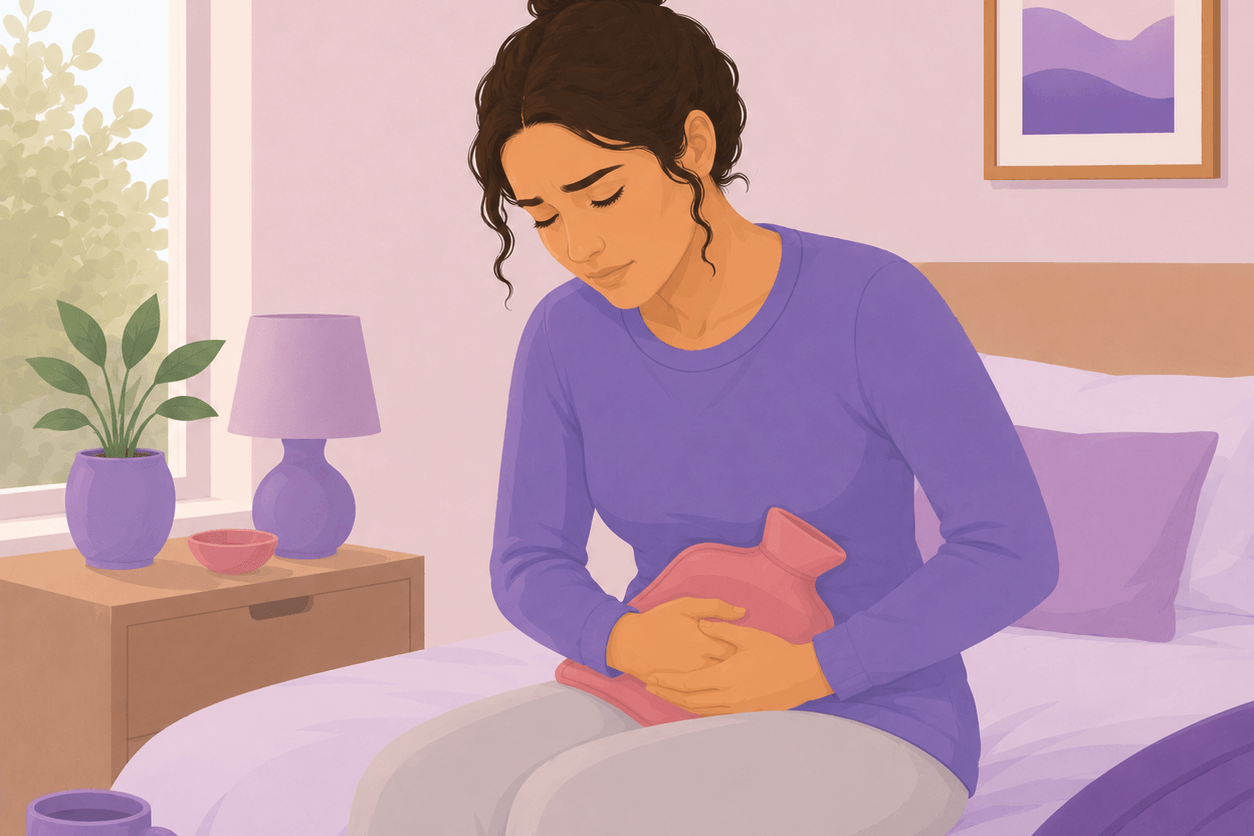
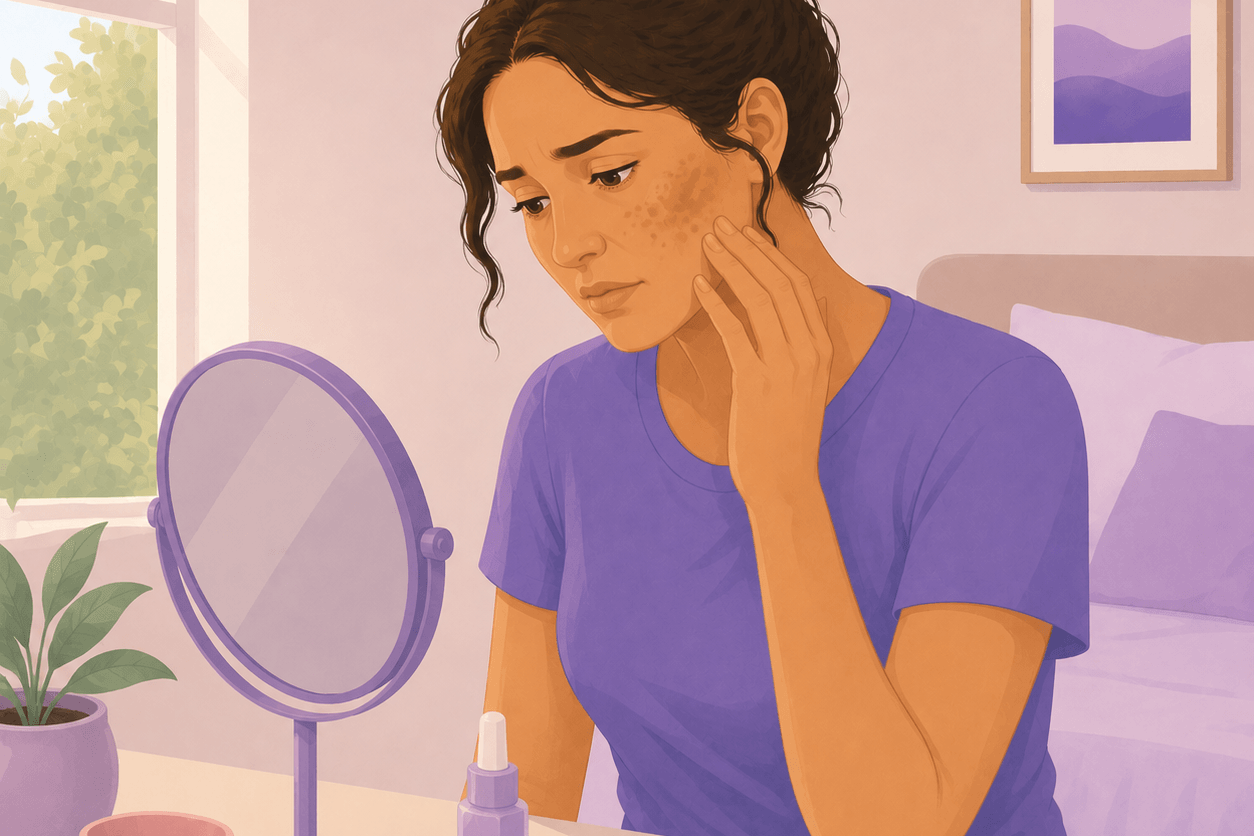
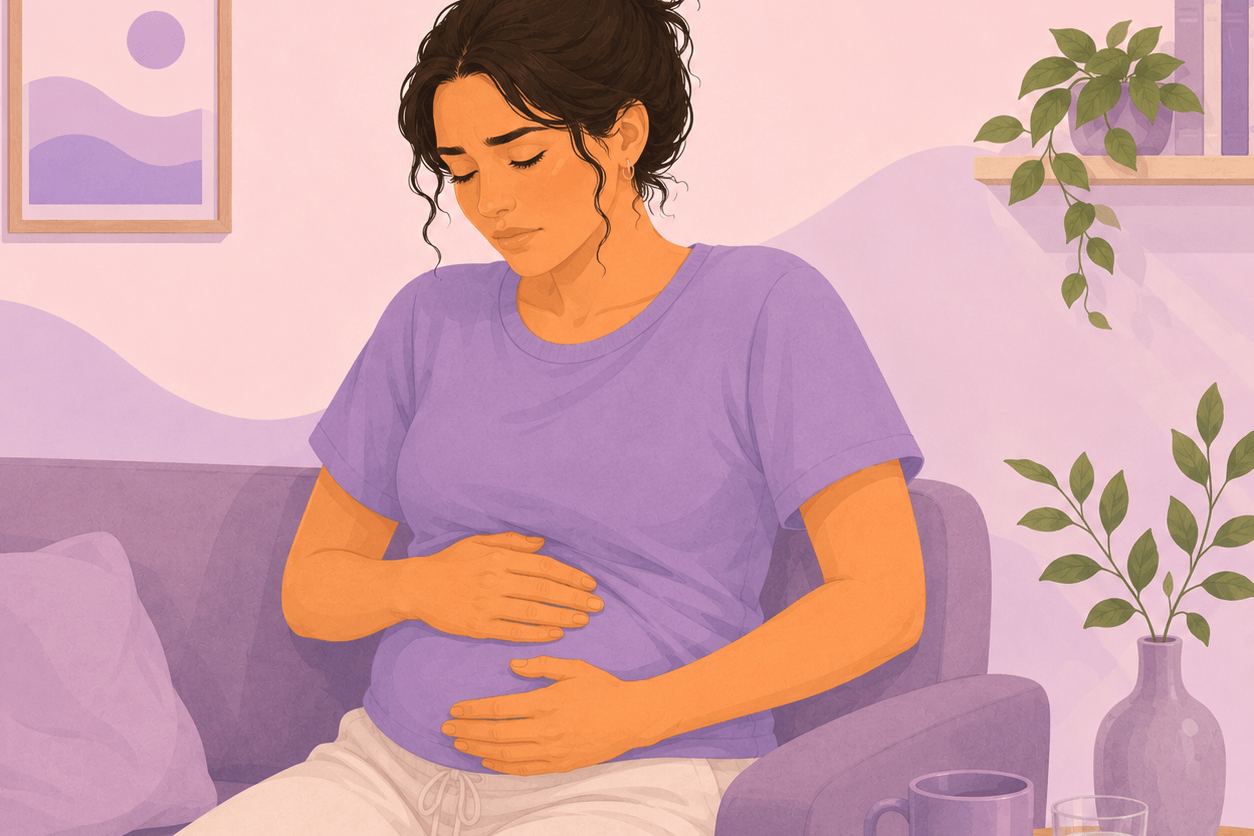
If you feel like your premenstrual symptoms — moodiness, bloating, breast tenderness, cravings — have gone from “annoying” to “unbearable,” you’re not imagining it.
Many women experience a noticeable intensification of PMS in perimenopause, sometimes bordering on PMDD (Premenstrual Dysphoric Disorder). It’s not a lack of willpower — it’s your brain reacting to a hormonal rollercoaster.
What’s Happening in Your Body? Earlier in life, your hormones followed a predictable pattern.
It’s not just how much hormone you have — it’s the rate of change that matters. The steeper the hormonal drop before your period, the more intense the emotional and physical symptoms can be.

Actionable Tips to Soften the Monthly Crash:
Boost Your Magnesium and B6: This vitamin and mineral duo are superstars for PMS. Magnesium has a calming effect on the nervous system, while Vitamin B6 is essential for the production of mood-regulating neurotransmitters like serotonin and dopamine.
Try This: Focus on foods like leafy greens, nuts, seeds, and avocado. Some women find targeted supplementation during the two weeks before their period to be very helpful.
Drastically Reduce Alcohol and Sugar Pre-Menstrually: Your body is already under stress during the luteal phase. Alcohol and sugar act as inflammatory stressors that can disrupt your brain chemistry and make mood swings and bloating much worse.
Try This: In the 7-10 days before you expect your period, consider them “off-limits” and see how you feel.
Schedule Rest and Gentleness: You can’t power through this phase like you used to. Your premenstrual week is a time for active rest and self-preservation.
Try This: Look at your calendar and consciously clear your schedule of demanding social events or stressful tasks during that week. Prioritize sleep and gentle movement like walking or stretching.
The 'Seed Cycling' Ritual for Hormonal Balance
Seed cycling is a gentle, food-based practice that supports hormonal rhythm through your cycle. While not a cure, many women say it helps ease symptoms of PMS.
Why It Works:
Different seeds are rich in compounds that may support estrogen and progesterone at specific points in your cycle.
How to do it:
Phase 1 (Day 1 to Ovulation, ~Day 14):
Eat 1 tbsp each of ground flaxseed and ground pumpkin seeds daily to support estrogen.
Phase 2 (Ovulation to Period, ~Day 15–28):
Switch to 1 tbsp each of ground sesame and sunflower seeds daily to support progesterone.
If your cycle is irregular, you can follow the moon phases instead (new moon = Day 1). It’s a simple, nourishing way to stay connected to your body’s changing needs.

Allopregnanolone Withdrawal: The Science of Pre-Menstrual Brain Fog & Anxiety
One of the main culprits behind severe PMS symptoms? A brain-calming neurosteroid called Allopregnanolone (or “Allo”).
Allo is made from progesterone and works like your brain’s own version of Valium, helping you stay relaxed, emotionally regulated, and calm.
But here’s what happens in perimenopause:
- Less Allo is made after ovulation
- Your brain experiences a “withdrawal” from this calming effect
- The nervous system becomes more sensitive to stress
- This can trigger anxiety, irritability, and emotional spirals in the days before your period — especially when the amygdala (your brain’s threat center) is already on high alert.
Understanding this mechanism helps take the shame out of intense PMS.
You’re not “too emotional” — you’re riding a powerful neurochemical shift.
This article is intended to inform and empower, not to replace personalized medical advice. If you have any concerns about your health, please speak with your doctor or a qualified healthcare provider.