




Sexual Health
Leaking When You Laugh? A No-Shame Guide to Bladder Health
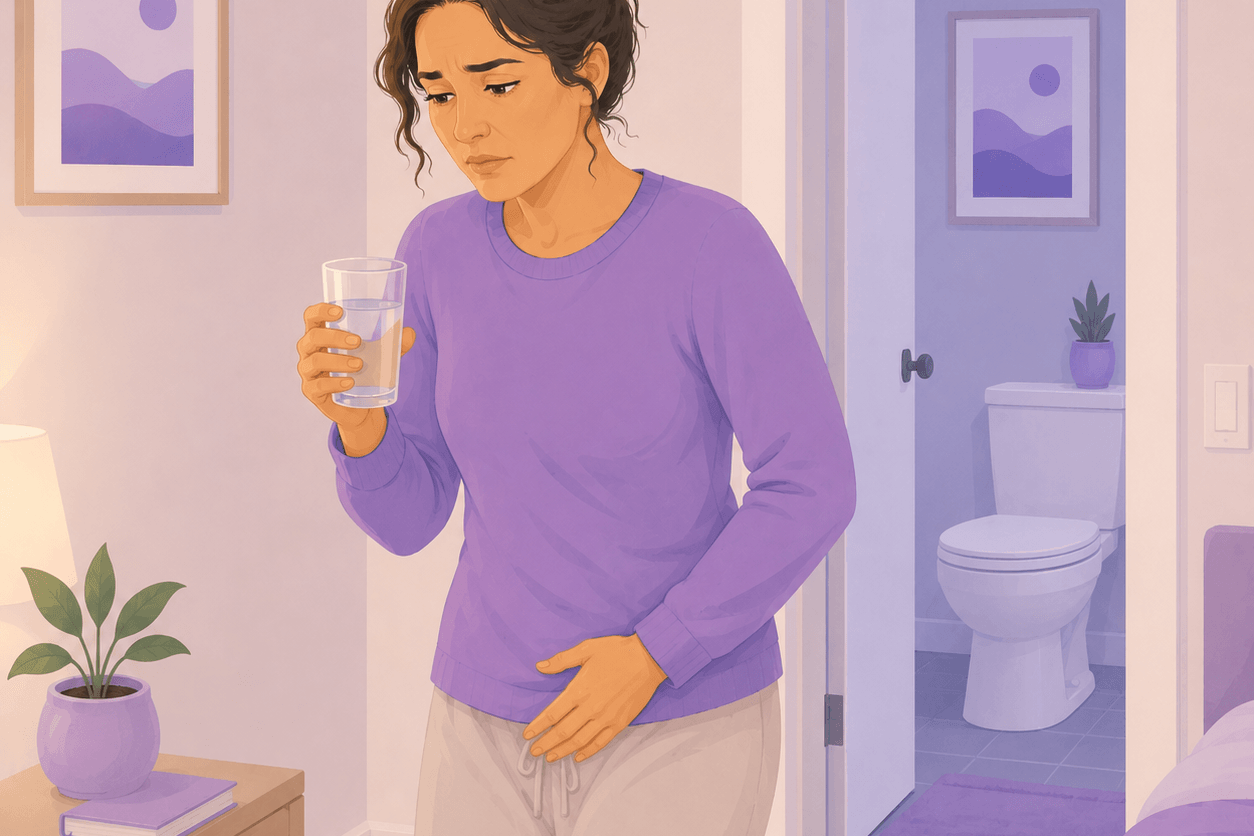
That sudden, desperate dash to the bathroom… or the little leak when you cough, sneeze, or jump? You’re not alone, and it’s not something to be embarrassed about. Urinary changes are a common, under-discussed symptom of perimenopause. They’re not just an aging issue — they’re tied to hormonal shifts that affect the tissues of your pelvic floor and bladder.
What’s Happening in Your Body? Your bladder and urethra (the tube pee exits through) are rich in estrogen receptors. Estrogen keeps these tissues strong, elastic, and supported. But when estrogen declines:
- The tissue becomes thinner and weaker
- The urethra may not seal tightly, leading to stress incontinence (leaks with pressure)
- The bladder lining becomes more sensitive, causing urge incontinence (sudden, gotta-go sensation)
Actionable Tips to Regain Control:
Master Your Pelvic Floor (It’s More Than Kegels): Your pelvic floor is a hammock of muscles that supports your bladder. It needs to be not just strong, but also flexible.
Try This: Think of your pelvic floor like an elevator. Inhale and relax, letting the elevator go to the basement. Exhale and gently lift the elevator to the first floor (not the penthouse!). The relaxation phase is just as important as the contraction.
Tame the Bladder Triggers: Certain foods and drinks can irritate the bladder lining and increase urgency.
Try This: Notice if your symptoms are worse after coffee, tea, alcohol, carbonated drinks, or spicy foods. Try eliminating one at a time for a week to see if it helps.
Practice “Bladder Retraining”: If you’re going to the bathroom “just in case” all the time, you can train your bladder to hold more.
Try This: When you feel the urge, see if you can wait just 5 minutes before going. A distraction or a few pelvic floor contractions can help. Gradually increase the waiting time over days and weeks.
The 5-Second 'Knit Your Muscles' Trick (A Better Kegel)
The classic “stop your pee midstream” advice for finding your pelvic floor muscles isn’t always helpful. Here is a better way to connect with and strengthen these crucial muscles, often called “The Knack.”
How to do it: “The Knack”
The goal is to pre-contract your pelvic floor right before a moment of pressure (like a cough or sneeze).
Find the Muscles: Sit comfortably. Imagine you have a small blueberry at your vaginal opening. Now, gently squeeze and lift that blueberry upwards and inwards, without clenching your glutes or your abs. That’s the muscle group you want.
The ‘Knit’ and ‘Zip’: Now, imagine knitting those muscles together from front to back, and then “zipping” them up internally. It’s a gentle lift, not a powerful clench.
Practice the Pre-Squeeze: Before you cough, sneeze, laugh, or lift something, perform this quick “knit and zip” squeeze. Hold it through the event, and then fully relax afterwards.
Practicing this 5-second move helps your muscles fire at just the right moment — preventing leaks before they start.

The Estrogen-Pelvic Floor Connection
Estrogen doesn’t just regulate your cycle — it supports your entire pelvic region.
It keeps tissues like your bladder wall, urethra, and pelvic floor thick, flexible, and responsive. When estrogen drops:
Tissues thin out and lose their seal
Muscles and fascia that support your urethra weaken
Leaks and urgency become more common
This hormonal shift creates a “structural storm” — not just a muscle issue, but a whole-system imbalance. That’s why addressing these symptoms often involves hormone-sensitive tissues and pelvic floor retraining together.
This article is intended to inform and empower, not to replace personalized medical advice. If you have any concerns about your health, please speak with your doctor or a qualified healthcare provider.