




Body & weight
Your Bones in Perimenopause: A Guide to Staying Strong
We think a lot about skin, hair, and hormones during perimenopause, but what about your bones? This stage of life is one of the most critical windows for bone health. Understanding what’s happening now gives you the power to build a stronger, more resilient skeleton for decades to come.
What’s Happening in Your Body?
Think of your bones like a bank account. For years, estrogen has helped you build up deposits of bone tissue, acting like your bone’s financial manager. It makes sure your skeleton stays strong and stable. But when estrogen levels start dropping, that manager leaves the building. Your body starts making more withdrawals than deposits — breaking down bone faster than it can rebuild it. This imbalance can lead to bone loss over time and increase your risk for osteoporosis, a condition where bones become weak, porous, and more prone to fractures.
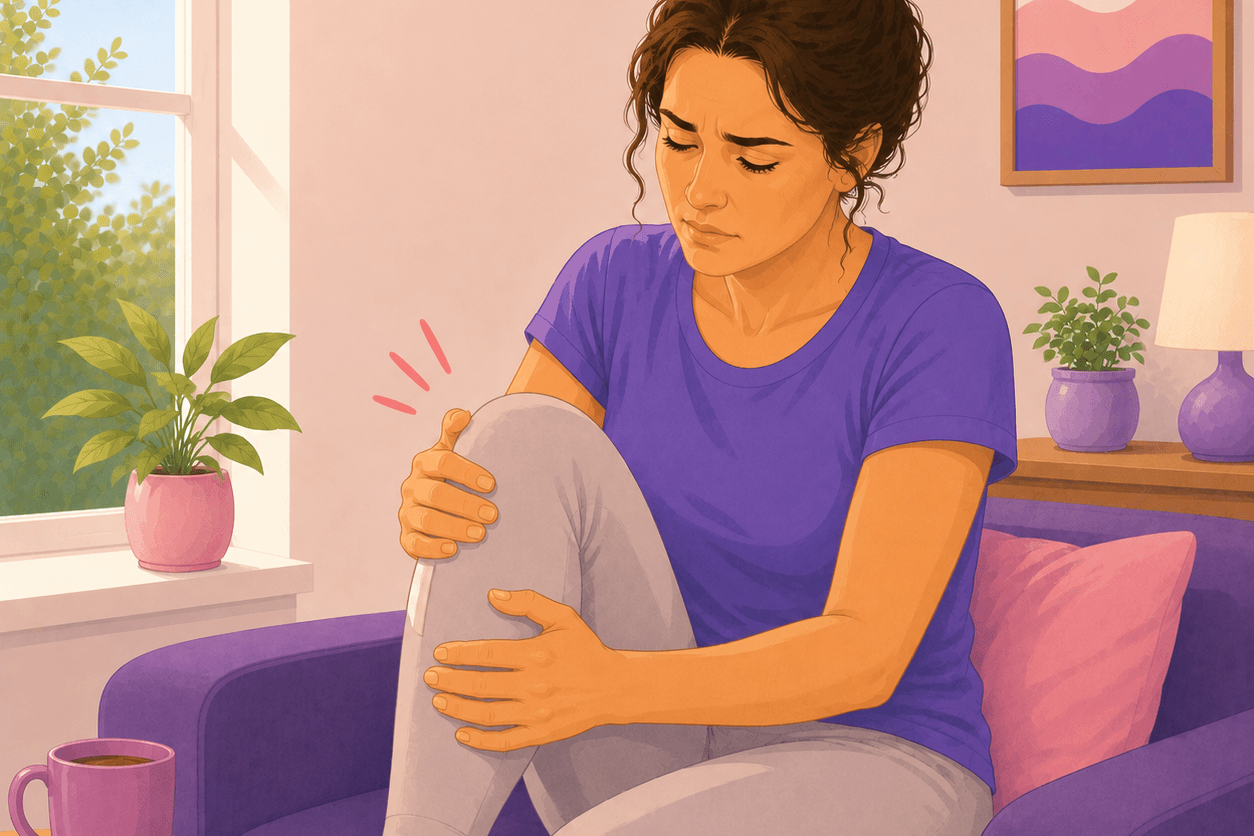
Actionable Tips to Strengthen Your Bones:
Lift Weights (or Your Own Body!): Resistance and impact help your body know, “Hey! We need stronger bones!”
Try This: Aim for 2–3 strength sessions per week. Use weights, resistance bands, or your own bodyweight with moves like squats, lunges, or push-ups. Brisk walking and jumping also count.
Fuel Bone Growth with the Right Nutrients: Calcium is the key building block, but it needs helpers.
Try This: Get calcium from foods like leafy greens, dairy, canned salmon, or tofu. Pair it with Vitamin D (from sunlight or supplements) and Vitamin K2 (from fermented foods like natto or sauerkraut) to help your body absorb and use it effectively.
Watch Out For “Bone Robbers”: Alcohol, soda, and smoking can all rob your bones of strength.
Try This: If these are in your routine, consider gradually cutting back. Even small changes help protect your long-term bone health.
The 'Stomp' You Should Do Every Day for Your Bones
Want to send your bones a “stay strong!” signal in under 2 minutes?
Try this: a bone-building stomp. It may sound simple, but it sends vibrations up through your skeleton, helping stimulate bone-building cells.
Why it Works: Your skeleton is dynamic — constantly breaking down and rebuilding. When you stomp, the impact triggers bone-forming cells (called osteoblasts) to get to work.
How to do it:
-
Stand tall, feet hip-width apart.
-
Lift one foot about 6-8 inches off the ground.
-
Stomp it down with purpose (enough to feel it, but not to hurt). Imagine you’re squashing a soda can.
-
Repeat 10–20 times per foot, once or twice a day.
Pair this with regular walks, and you’re helping your bones stay strong — no gym required.
Meet the Crews Inside Your Bones: Osteoblasts vs. Osteoclasts
Your bones may feel solid and still, but they’re always changing. Bone is a living tissue that’s constantly remodeled by two types of cells:
-
Osteoclasts (The Demolition Crew): These cells break down old bone tissue. It’s necessary so that new, healthy bone can grow.
-
Osteoblasts (The Building Crew): These cells come in after the demo crew and rebuild — laying down new collagen and minerals like calcium and phosphorus to create strong, new bone.
In your younger years, the builders (osteoblasts) worked faster than the demolishers (osteoclasts), so you gained bone over time. Estrogen helped keep that balance in check, making sure the demo crew didn’t get out of control. But in perimenopause, with estrogen declining, the demolition crew speeds up while the builders slow down. That’s how bone loss starts to accelerate.
Your goal now? Support the builders, and slow down the demo team. Lifestyle habits like strength training and good nutrition can help tip the balance in your favor.