




Body & weight
Craving Sugar and Salt? How Hormones Hijack Your Appetite
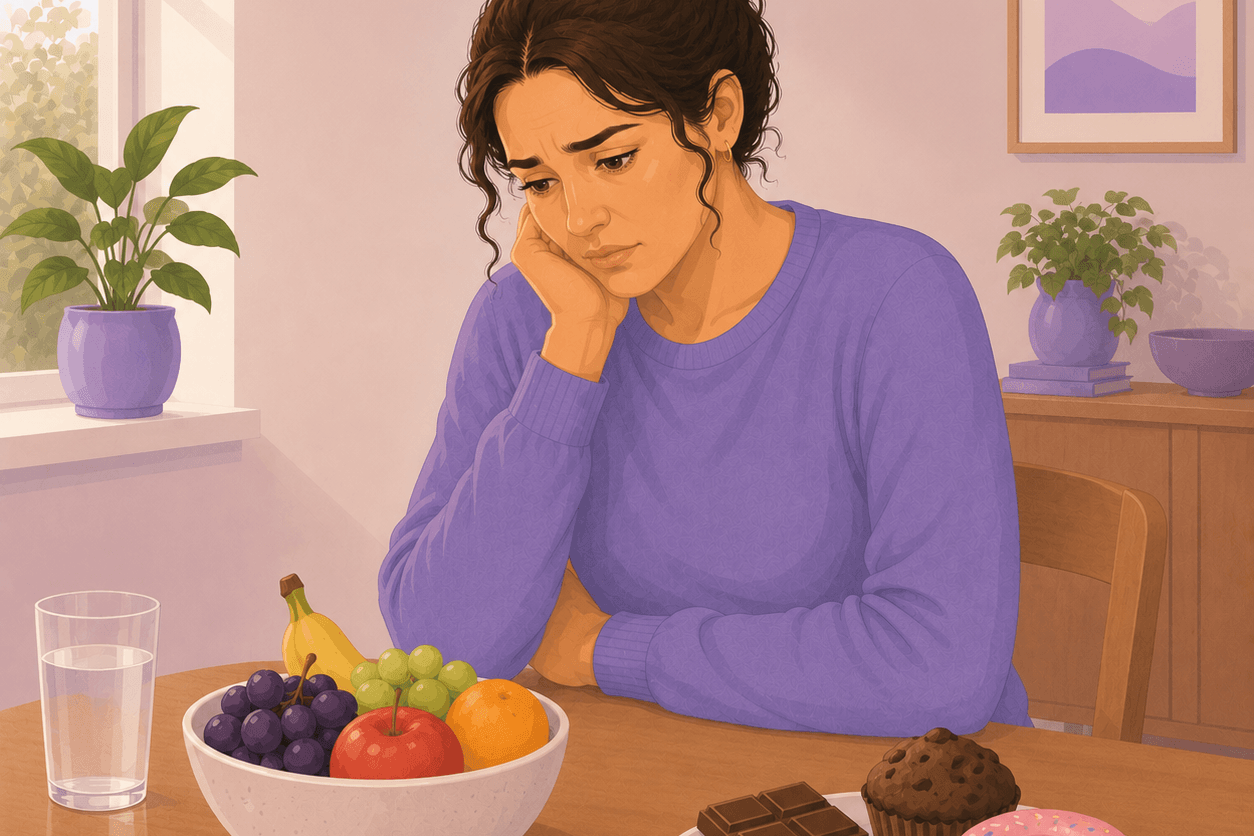
If your cravings have felt louder lately like needing chocolate now or getting ravenously hungry out of nowhere, your hormones may be behind it.
During perimenopause, shifts in estrogen, progesterone, insulin, and cortisol can all impact your appetite-regulation system, making it harder to feel satisfied and easier to feel out of control.
What’s Happening in Your Body?
Multiple hormone changes are at play. A drop in estrogen can reduce serotonin, a chemical that helps regulate mood and appetite. Your brain may respond by chasing fast sugar for a quick hit. At the same time, high cortisol can push you toward salty, fatty “comfort” foods.
Insulin resistance can also develop or worsen during perimenopause. This disrupts blood sugar stability, which can lead to spikes and crashes that make you feel shaky, irritable, and hungry for fast fuel.
Actionable Tips to Manage Cravings:
Prioritize Protein and Fat at Every Meal: These nutrients help you feel full longer by slowing digestion and supporting blood sugar balance.
Try This: Build your breakfast around protein and healthy fat — think eggs and avocado instead of cereal or muffins.
Get Enough Sleep: Sleep loss can crank up ghrelin (the hunger hormone) and suppress leptin (the fullness hormone).
Try This: Aim for 7-9 hours of quality sleep per night. Creating a consistent, relaxing bedtime routine is key.
Don’t Let Yourself Get Too Hungry: When you are ravenous, your willpower is zero, and you will always reach for the fastest-acting energy source: sugar.
Try This: Eat every 3-4 hours. Keep healthy, protein-rich snacks on hand, like a handful of nuts, a hard-boiled egg, or a small pot of Greek yogurt.
The 'Cravings Box': A Mindful Indulgence Strategy
Cravings don’t always mean something is wrong. Trying to fight them with willpower alone often backfires — and can leave you feeling worse.
This strategy gives you permission to enjoy the foods you love in a mindful, supportive way.
Why it Works: It helps shift the story from “I shouldn’t eat this” to “I’m allowed to enjoy this in a way that supports me.” By planning for the craving, you take back control and reduce impulsive eating.
How to do it:
- Choose a small box, jar, or container just for “cravings.”
- Fill it with portion-controlled versions of foods you truly enjoy (a few dark chocolate squares, a single-serve bag of salty chips, or whatever hits the spot).
- When a craving hits, give it your full attention. Sit down, slow down, and eat without distractions.
- Notice the flavor, texture, and satisfaction as you eat. One small, intentional serving often satisfies more than mindless snacking.
Ghrelin vs. Leptin: The Science of Your Hunger Hormones
Your appetite is not a matter of willpower; it’s a complex hormonal conversation between your gut and your brain, dominated by two key players: ghrelin and leptin.
Ghrelin (The Gremlin): Think of ghrelin as the “Go!” hormone. It’s produced primarily in your stomach when it’s empty. It travels to your brain and shouts, “I’m hungry! Seek food now!” Ghrelin makes food look more appealing and drives your motivation to eat.
Leptin (The Leader): Think of leptin as the “Stop!” hormone. It’s produced by your fat cells. As you eat and your fat cells get energy, they release leptin. Leptin travels to your brain and says, “We’re full. You have enough energy on board. You can stop eating now.”
What Happens in Perimenopause?
Poor sleep throws this system out of sync by raising ghrelin and lowering leptin.
Estrogen helps regulate leptin sensitivity, so a drop in estrogen can make your brain less responsive to fullness signals.
Insulin resistance can make it harder for your body to “hear” leptin, even if it’s being produced.
In short, your hormones are shifting the volume on both hunger and fullness signals — which can make your appetite feel unpredictable.