




Body & weight
The Blood Sugar Rollercoaster: A Guide to Metabolic Changes
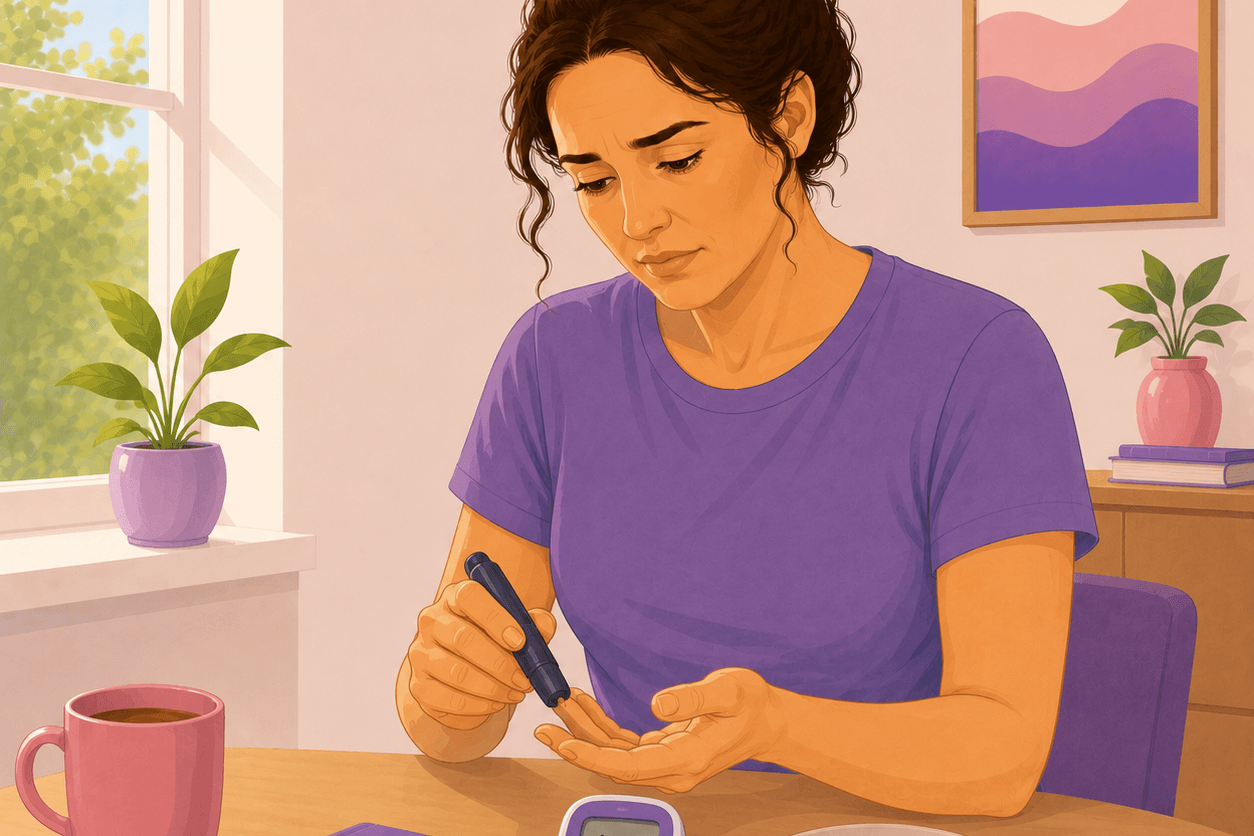
Are you crashing after meals? Craving sugar more than usual? Gaining weight around your middle even though your habits haven’t changed? These are signs that your body’s ability to manage blood sugar is shifting — a common part of the metabolic changes in perimenopause. This cluster of changes is often referred to as “metabolic syndrome,” and it’s closely tied to insulin resistance.
What’s Happening in Your Body?
Insulin is the hormone that helps move sugar (glucose) from your bloodstream into your cells to be used for energy. But as estrogen declines, your cells may stop responding as effectively. Your body compensates by pumping out more insulin — and high insulin levels tell your body to store fat, especially around the belly. This can also lead to increased cravings, energy crashes, and fatigue.
Actionable Tips to Stabilize Your Blood Sugar:
Balance Your Meals with Protein, Fat, and Fiber: Avoid eating carbs alone — pair them with other nutrients to slow sugar absorption and avoid spikes.
Try This: Add avocado and an egg to your toast. Eat an apple with a handful of almonds. Pair pasta with grilled chicken or salmon.
Move After Meals: Physical activity helps your muscles use up the sugar in your blood — and even a little goes a long way.
Try This: Take a brisk 10-minute walk after dinner. It can help reduce insulin spikes and support long-term metabolic health.
Prioritize Sleep: One poor night’s sleep can make your body more insulin-resistant the next day.
Try This: Create a calming nighttime routine. Keep your room dark, cool, and quiet. Address sleep disruptors like night sweats or racing thoughts.
The 'Vinegar Trick' to Blunt a Blood Sugar Spike
This simple nutrition hack can help soften the blood sugar spike from a high-carb meal. The secret? Apple cider vinegar.
Why it Works: Acetic acid (the main compound in vinegar) helps block the enzymes that break down starches. This slows how quickly carbs turn into sugar and enter your bloodstream — resulting in a gentler rise in blood sugar.
How to try it:
- Mix 1 tablespoon of apple cider vinegar into a glass of water and drink it 15–20 minutes before a carb-rich meal.
- Or use it in a vinaigrette and eat it with your salad at the beginning of the meal.
- This tiny habit can improve your body’s insulin sensitivity over time.
Insulin Resistance Explained: Why Your Cells Stop Listening
Think of insulin as a key, and your cells as having locks on the door. When you eat, your pancreas sends out insulin keys to open the doors so sugar can move from your blood into your cells and be used for energy.
In your younger years, those keys fit easily. But as estrogen drops and stress levels rise, those locks can get “rusty.” The key doesn’t work as well. Sugar stays stuck in your blood, your cells don’t get the fuel they need — and your body panics. It responds by sending even more insulin, creating a state of chronically high insulin.
Over time, this leads to:
- Fat storage (especially around the belly)
- More sugar cravings
- Inflammation
- Fatigue
This is the core of metabolic syndrome. It’s not about willpower — it’s a cellular-level shift. But with the right tools, it’s something you can support and rebalance.