




Body & weight
That Buzzing Feeling: Understanding Internal Vibrations
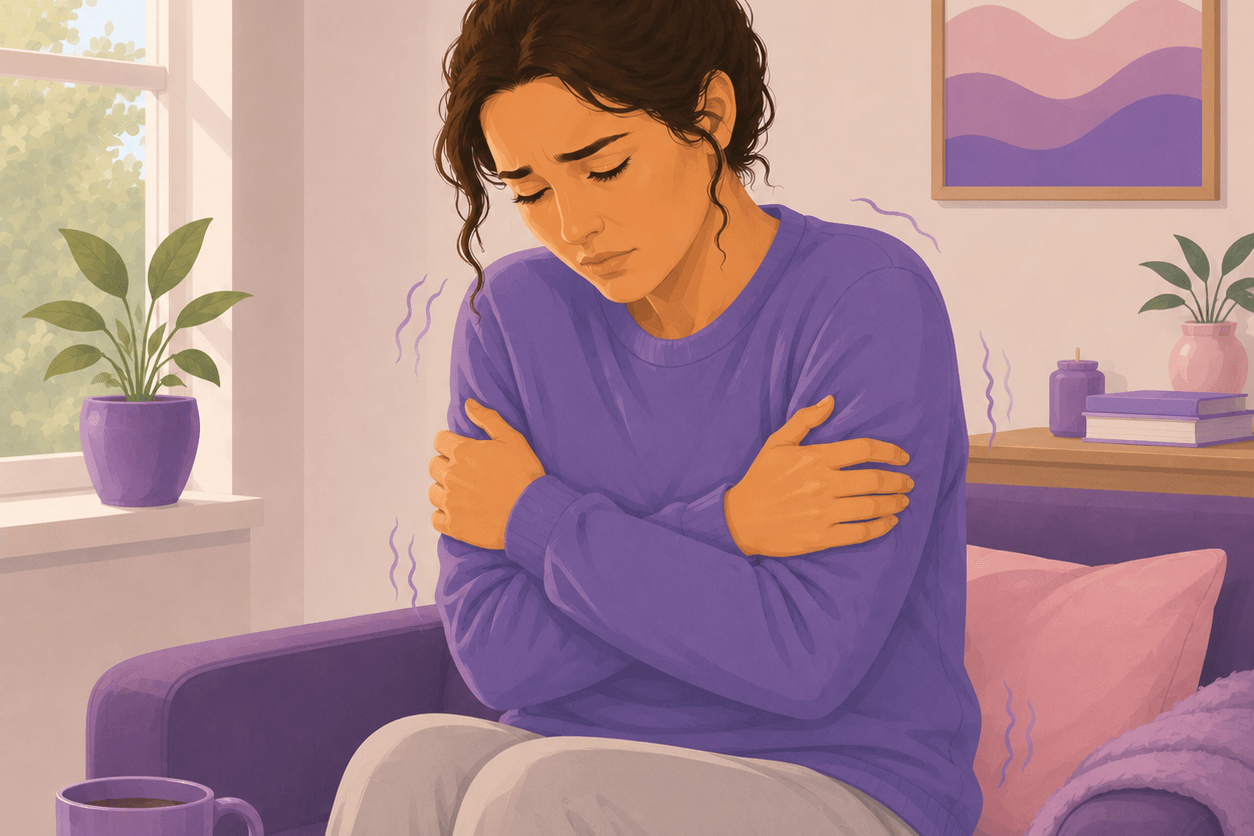
It’s one of the most unsettling sensations: a faint buzzing, vibrating, or internal tremor — almost like a phone is going off inside your body. You can’t see it, but you can feel it. Though alarming, this is a real neurological symptom often tied to an overstimulated nervous system during perimenopause.
What’s Happening in Your Body?
This buzzing sensation is a type of paresthesia (abnormal nerve signal), similar to tingling or electric shocks. It’s believed to stem from the autonomic nervous system being stuck in overdrive — also known as sympathetic dominance.
Estrogen and progesterone play key roles in stabilizing the nervous system. When these hormones fluctuate, your stress hormone cortisol can stay high, misfiring your internal systems and triggering that wired, vibrating feeling.
Actionable Tips to Calm the Buzz:
Focus on Deep, Slow Breathing: This is the fastest way to activate your parasympathetic (rest and digest) system — your body’s brake pedal.
Try This: Inhale through your nose for 5 counts, exhale through your mouth for 5. Repeat for 2–3 minutes. The long exhale tells your nervous system it’s safe to slow down.
Boost Your B Vitamins: B vitamins, especially B12, are essential for nervous system function.
Try This: Include B-rich foods like eggs, lean meats, fish, and nutritional yeast in your diet.
Ground Yourself: Physical grounding can calm a buzzing nervous system.
Try This: Take off your shoes and walk on grass or dirt for a few minutes. The contact with earth may help stabilize your internal state.
The Vagus Nerve Hum for Instant Calm
The vagus nerve is the superhighway of your body’s calming system. Stimulating it can soothe internal buzzing and help restore balance. One surprisingly effective way to do that is by humming.
Why it Works: The vagus nerve connects to your vocal cords and runs through your chest. Humming sends gentle vibration along this pathway, calming the nervous system and reducing internal noise.
How to do it:
- Sit or lie down comfortably.
- Inhale normally through your nose.
- On the exhale, simply hum any low tone. It doesn’t need to be loud.
- Focus on feeling the vibration in your chest and throat.
- Continue for 1-2 minutes,.
- You can repeat this any time you feel the internal buzzing start. It’s quick, discreet, and surprisingly effective.
Sympathetic vs. Parasympathetic: Your Nervous System Out of Balance
Your autonomic nervous system runs on two modes:
Sympathetic (SNS): Your “gas pedal” — fight or flight, alert and active.
Parasympathetic (PNS): Your “brake pedal” — rest, digest, and recover.
Hormones like progesterone support the brake pedal. But during perimenopause, declining progesterone and rising stress can tip the balance toward constant sympathetic dominance.
Your body is stuck in “go” mode. This low-grade overdrive can feel like your engine is idling too high — humming, buzzing, or vibrating. Without hormonal support, your nervous system struggles to switch off, creating that internal tremor sensation.