




Body & weight
Why Do My Joints Ache? Your Guide to What’s Really Going On
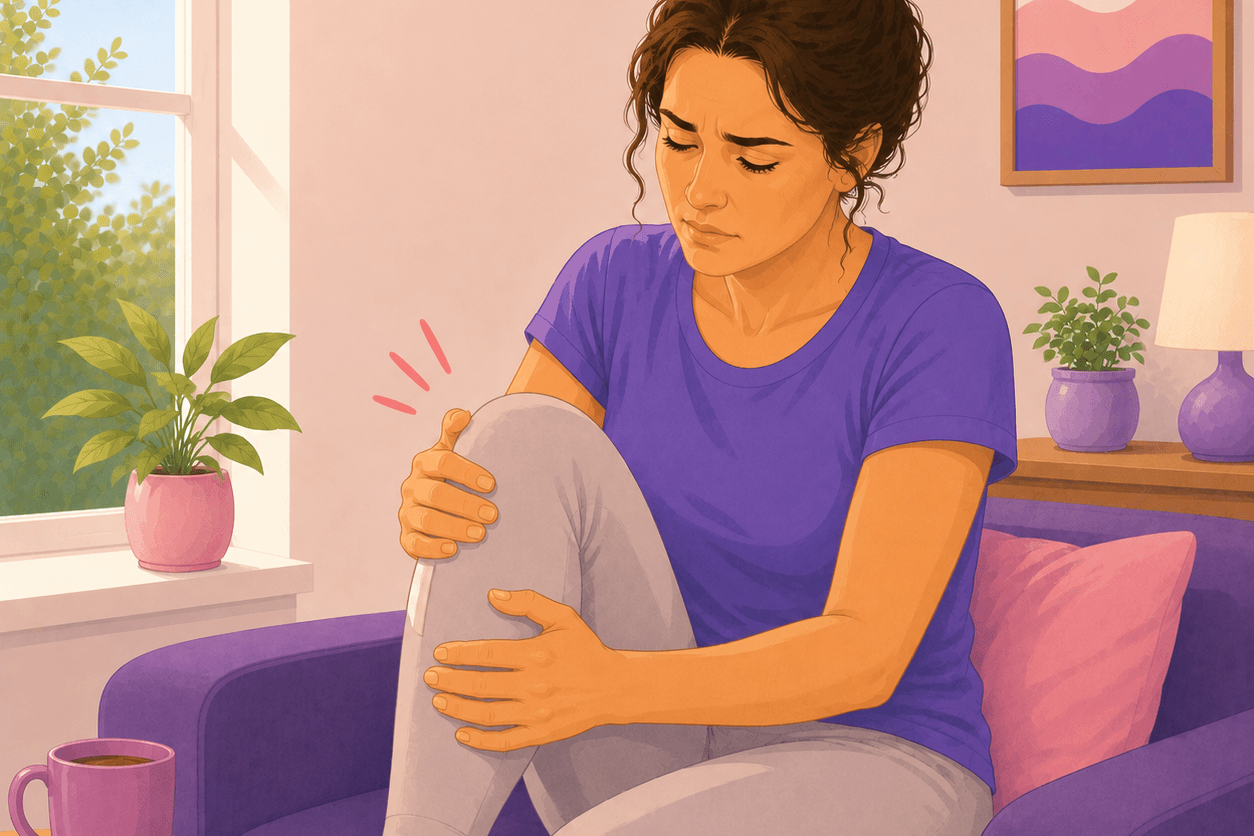
Waking up with stiff shoulders? Achy knees? Feeling creaky for no reason? If your joints suddenly feel older than you do, you’re not imagining it. Joint pain is a common (and often overlooked) symptom of perimenopause, linked to fluctuating estrogen.
What’s Happening in Your Body?
Estrogen plays a big role in joint health. It helps regulate fluid levels in your connective tissue and acts as a natural anti-inflammatory. But when estrogen starts to dip, inflammation can rise. Your tendons and ligaments may lose elasticity, your joints may feel drier or tighter, and everything can start to feel… creaky.
Actionable Tips for Happier Joints:
Eat More Anti-Inflammatory Foods: What’s on your plate can either fuel inflammation or help fight it.
Try This: Cook with turmeric, eat fatty fish like salmon, and load up on colorful fruits and vegetables. Cut back on processed foods, refined sugar, and seed oils.
Prioritize Low-Impact Movement: Low-impact exercise helps reduce stiffness and strengthens the muscles that support your joints.
Try This: Walk, swim, cycle, or try gentle yoga or tai chi. Even 10 minutes counts.
Stay Hydrated: Your joints are about 80% water. Dehydration can make stiffness and pain worse.
Try This: Carry a water bottle and sip throughout the day. Try adding lemon, mint, or a splash of herbal tea if plain water doesn’t appeal.
The Anti-Inflammatory Smoothie for Happier Joints
Start your day with something that works as hard as you do.
This anti-inflammatory smoothie is packed with ingredients that support joint comfort from the inside out. It’s simple, science-backed, and takes just minutes to make.
Your Morning Joint-Soothing Smoothie:
- Blend the following ingredients:
- 1 cup unsweetened almond milk (or milk of your choice)
- ½ cup frozen berries (like blueberries or cherries, packed with antioxidants)
- 1 tbsp chia seeds or ground flaxseed (rich in Omega-3s)
- ½ tsp turmeric (a natural anti-inflammatory)
- A pinch of black pepper (helps your body absorb the turmeric)
- 1 scoop collagen or protein powder (optional, for extra support)
- Pro tip: Blend it all and enjoy within 30 minutes of waking up. A consistent morning routine can help regulate inflammation and support your body’s natural healing rhythms.
Why Your Joints Feel Stiff — and What Collagen Has to Do With It
You might’ve heard of collagen in your skincare, but it’s just as important for your joints. Collagen acts like scaffolding for your connective tissue. It helps keep joints cushioned, tendons elastic, and your whole body feeling supported.
The Estrogen-Collagen Connection:
Estrogen helps your body make collagen and stay hydrated. But during perimenopause, when estrogen starts to dip, your body’s ability to produce collagen slows down. That leads to:
- Thinner cartilage
- Less flexible ligaments
- Slower tissue repair
The result? Stiffness, achiness, and longer “warm-up” times in the morning.
You might even notice it in your skin — feeling drier or seeing fine lines. It’s all connected. Supporting your estrogen-collagen link can help you feel better from the inside out.