




Digestive health
When IBS Roars: Managing a Sensitive Gut in Perimenopause
If you’ve lived with Irritable Bowel Syndrome (IBS), you already know how touchy your gut can be. But during perimenopause, it might feel like your symptoms — cramping, bloating, diarrhea, constipation — have taken on a life of their own.
That’s because your hormones are dialing up the sensitivity in your gut. What used to be manageable can now feel unpredictable, disruptive, or even painful.
What’s Happening in Your Body?
Your gut and brain are constantly talking via the gut-brain axis. Sex hormones like estrogen and progesterone help regulate this connection. When those hormone levels start shifting, the communication gets scrambled.
One key result is something called visceral hypersensitivity, where the nerves in your gut become more reactive. This means normal digestive processes can suddenly feel painful or urgent. At the same time, changes in stress hormones can also impact your digestion speed and increase your body’s fight-or-flight response—two major IBS flare triggers.
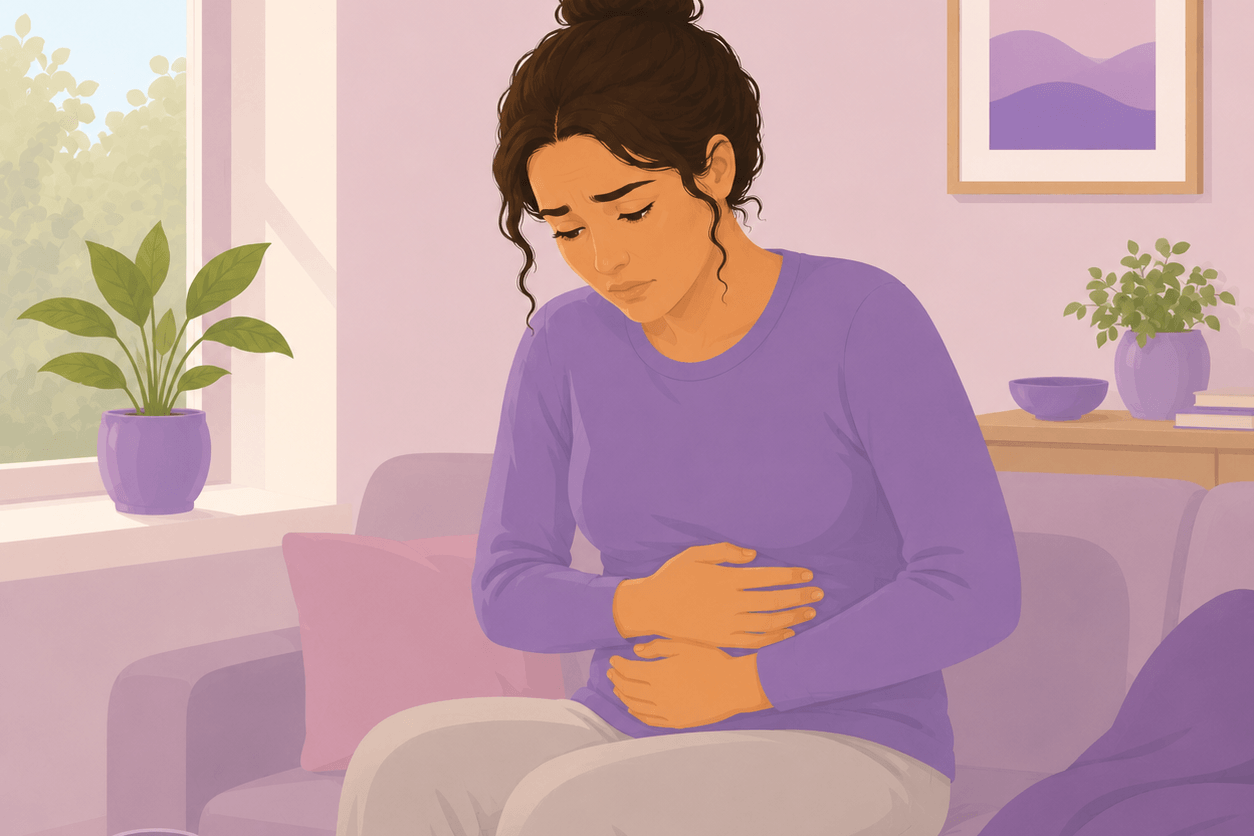
Actionable Tips to Soothe an Irritable Gut:
Explore a Low-FODMAP Diet (Temporarily): FODMAPs are specific types of carbohydrates that can be poorly absorbed and rapidly fermented by gut bacteria, leading to gas, pain, and diarrhea.
Try This: Work with a provider to try eliminating high-FODMAP foods like garlic, onions, beans, and certain fruits for a few weeks. Then reintroduce slowly to spot your personal triggers.
Embrace Soluble Fiber: For many with IBS, insoluble fiber (like raw kale or bran) can be too harsh. Soluble fiber, however, dissolves in water to form a gentle, soothing gel.
Try This: Incorporate sources like oatmeal, psyllium husk, and ground flaxseed. For diarrhea, it helps to add bulk; for constipation, it helps to soften the stool.
Prioritize Stress Management: Since stress is a primary trigger for IBS, a daily stress-reduction practice is non-negotiable.
Try This: Find what works for you. A 10-minute guided meditation, gentle yoga, or deep breathing exercises can help to calm the gut-brain axis and reduce the severity of your symptoms.
The 'Gut-Directed Hypnotherapy' Exercise for a Calmer Gut
One powerful tool for easing IBS symptoms is gut-directed hypnotherapy. It’s not hypnosis in the stage-show sense — this is a science-backed technique that helps calm your nervous system and rewire how your brain interprets signals from your gut.
Why it Works: Your brain and gut are connected. When stress, hormones, or past flare-ups train your nervous system to view gut sensations as threats, your body reacts with urgency or pain — even to normal digestion. This visualization helps shift that fear-based reaction.
How to do it:
- Sit or lie down somewhere quiet.
- Close your eyes and take a few slow, deep breaths.
- Place your hands over your belly. Imagine it glowing with a warm, soothing light—like a soft sunrise or a golden wave.
- Picture this light spreading gently through your abdomen, helping the muscles relax and settle.
- Stay with this image for several minutes, returning to your breath when your mind wanders.
- It might sound simple, but many people find this practice helps ease symptoms over time.
Visceral Hypersensitivity: The Science of a Painful Gut
If your gut suddenly feels “louder” — more reactive, crampy, or bloated than it used to — there’s a reason. You may be experiencing visceral hypersensitivity, a hallmark of IBS that’s especially common during perimenopause.
What’s Happening in Your Body?
Normally, the stretching of your intestines from gas or stool goes unnoticed. But with visceral hypersensitivity, those same movements are perceived as painful. Your gut nerves are simply more alert, and the messages they send to your brain get amplified.
Hormones play a key role. Estrogen and progesterone influence how sensitive these nerve endings are. When these hormones fluctuate, your gut becomes more reactive to the same everyday signals.
Imagine the “volume knob” on your gut has been turned up. That’s why IBS during perimenopause can feel more intense than before — even if your diet or routine hasn’t changed.