




Water retention
Body & weight
Feeling Puffy? A Guide to Perimenopausal Water Retention
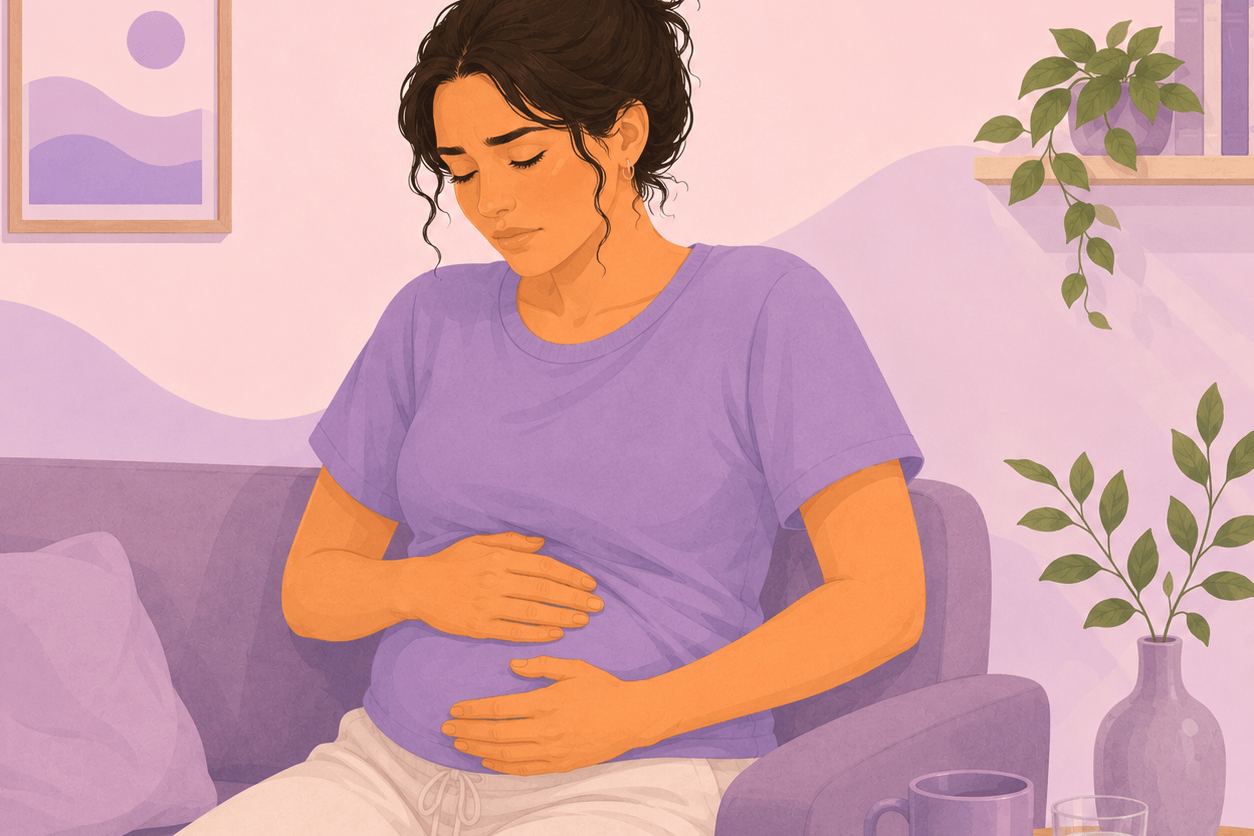
Do your rings feel tight by afternoon? Do your ankles swell by the end of the day? That water-logged, puffy feeling — also called edema or water retention — is common in perimenopause.
It’s not the same as bloat (which is usually gas). Water retention happens when shifting hormones disrupt how your body balances salt and fluid.
What’s Happening in Your Body? Your body’s salt-and-water balance is tightly regulated by hormones — especially estrogen, progesterone, and a fluid-controlling hormone called aldosterone.
When estrogen is high compared to progesterone, it can tell your body to hold on to more salt — and where salt goes, water follows. The result: puffiness, swelling, and that heavy, uncomfortable feeling.
Actionable Tips to Reduce Puffiness:
Drink More Water (Yes, Really): It seems counterintuitive, but when you are dehydrated, your body clings to water. Drinking more tells your system it’s safe to let go of the extra fluid.
Try This: Aim for at least 8 glasses a day. If your urine is dark yellow, you likely need more.
Balance Your Sodium and Potassium Intake: Potassium helps your body flush out sodium. Together, they’re key to fluid balance.
Try This: Cut back on processed and salty foods. Add potassium-rich foods like bananas, avocados, spinach, and sweet potatoes.
Elevate Your Legs: Gravity pulls fluid into your lower half. Reversing that can help it return to your core and be processed.
Try This: At the end of the day, lie on your back and rest your legs up against a wall for 10–15 minutes.
Your 'Depuffing' Drink: Dandelion Root Tea
Feeling especially puffy? Dandelion root tea is a gentle, natural way to help your body let go of excess fluid.
Why it Works:
Dandelion is a mild natural diuretic, meaning it helps your body flush out water through urine. Unlike medications that deplete potassium, dandelion is naturally rich in minerals, making it a more balanced option for short-term relief.
How to Use It:
- Use tea bags or loose root from a health food store.
- Steep in hot water for 5–10 minutes.
- Sip once or twice during the day when swelling is at its worst.
Note: Always check with your doctor if you have kidney issues or are on medication.
The Aldosterone Connection: Your Body's Salt & Water Regulator
Meet aldosterone — the hormone that tells your kidneys how much sodium and potassium to hold or release. It’s made by your adrenal glands and helps regulate blood pressure and fluid balance.
When aldosterone is high:
It tells your body to hold onto sodium (and water), and get rid of potassium. This leads to swelling and higher blood pressure.
When aldosterone is low:
It tells your body to release sodium and water, and keep potassium — helping reduce water retention.
In perimenopause, estrogen increases aldosterone activity, encouraging the body to hold onto fluid. Progesterone does the opposite — it competes with aldosterone and promotes fluid release.
So, when estrogen is high and progesterone is low (a common perimenopausal pattern), your body gets two strong signals to hold onto water — and not enough of the signal to let it go. That’s a recipe for swelling, puffiness, and feeling “puffy for no reason.”
This article is intended to inform and empower, not to replace personalized medical advice. If you have any concerns about your health, please speak with your doctor or a qualified healthcare provider.