




Digestive health
Beating the Bloat: Your Guide to a Happier Gut
Feeling puffy, gassy, and uncomfortable after meals, even when eating foods you’ve always tolerated? Welcome to the perimenopausal digestive system. Hormonal shifts can disrupt your gut in surprising ways, and bloating often becomes a frustratingly frequent guest.
What’s Happening in Your Body? Both estrogen and progesterone influence how quickly food moves through your digestive tract.
As these hormones fluctuate, they can slow down your digestion, leading to constipation and giving gas more time to build up. Additionally, higher cortisol (stress hormone) levels can divert blood flow away from your gut, further impairing digestion.
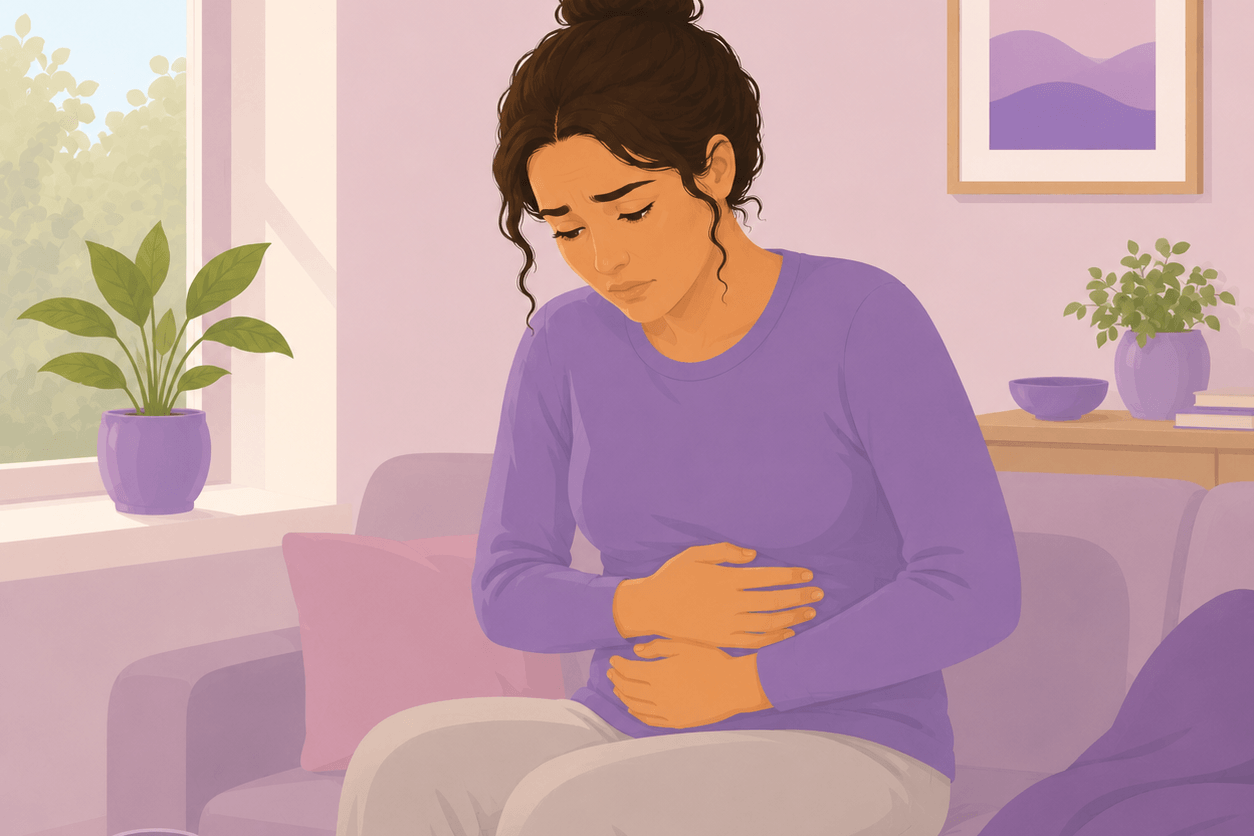
Actionable Tips to Reduce Bloating:
Chew Your Food Thoroughly: Digestion begins in the mouth! Chewing your food until it is almost liquid takes a huge burden off your stomach and intestines.
Try This: Put your fork down between bites. Aim to chew each mouthful 20-30 times. This simple habit can be a game-changer.
Incorporate Probiotic-Rich Foods: Healthy gut bacteria are essential for proper digestion.
Try This: Add a spoonful of plain yogurt or kefir to your breakfast. Other great sources include sauerkraut, kimchi, and miso.
Sip on Calming Herbal Teas: Certain herbs are known for their ability to soothe the digestive tract.
Try This: Drink peppermint, ginger, or fennel tea after a meal to ease gas and bloating.
One Simple Tea to Sip On to Reduce Bloating
If you feel bloated after a meal, peppermint tea may be your new best friend.
Why Peppermint?
Peppermint contains menthol, a natural compound that has a calming effect on your digestive muscles. This helps trapped gas pass more easily and relaxes your GI tract. It also stimulates bile flow, which is important for digesting fats.
How to Use It:
Steep a peppermint tea bag or fresh peppermint leaves in hot water for 5–10 minutes. Sip slowly after meals.
How Hormonal Shifts Affect Your Gut Microbiome
Your gut is home to trillions of bacteria, collectively called the microbiome. Within that ecosystem is the estrobolome, a subset of bacteria that help process and regulate estrogen in your body.
When your gut microbiome is diverse and healthy, the estrobolome helps maintain hormonal balance. But when perimenopause causes stress, diet changes, or estrogen fluctuations, your gut environment can be disrupted — throwing your estrobolome off track.
This creates a vicious cycle:
Hormonal shifts → Disrupted gut → More hormone imbalance → More symptoms.
That’s why supporting your gut health with fiber, probiotics, and stress reduction is about more than just digestion. It’s a foundational strategy for navigating perimenopause as a whole.