




Mind
Finding Yourself Again: A Guide to Rebuilding Self-Esteem
Change the color to match your brand or vision, add your logo, choose the perfect layout, modify menu settings, add animations, add shape dividers, increase engagement with call to action and more.
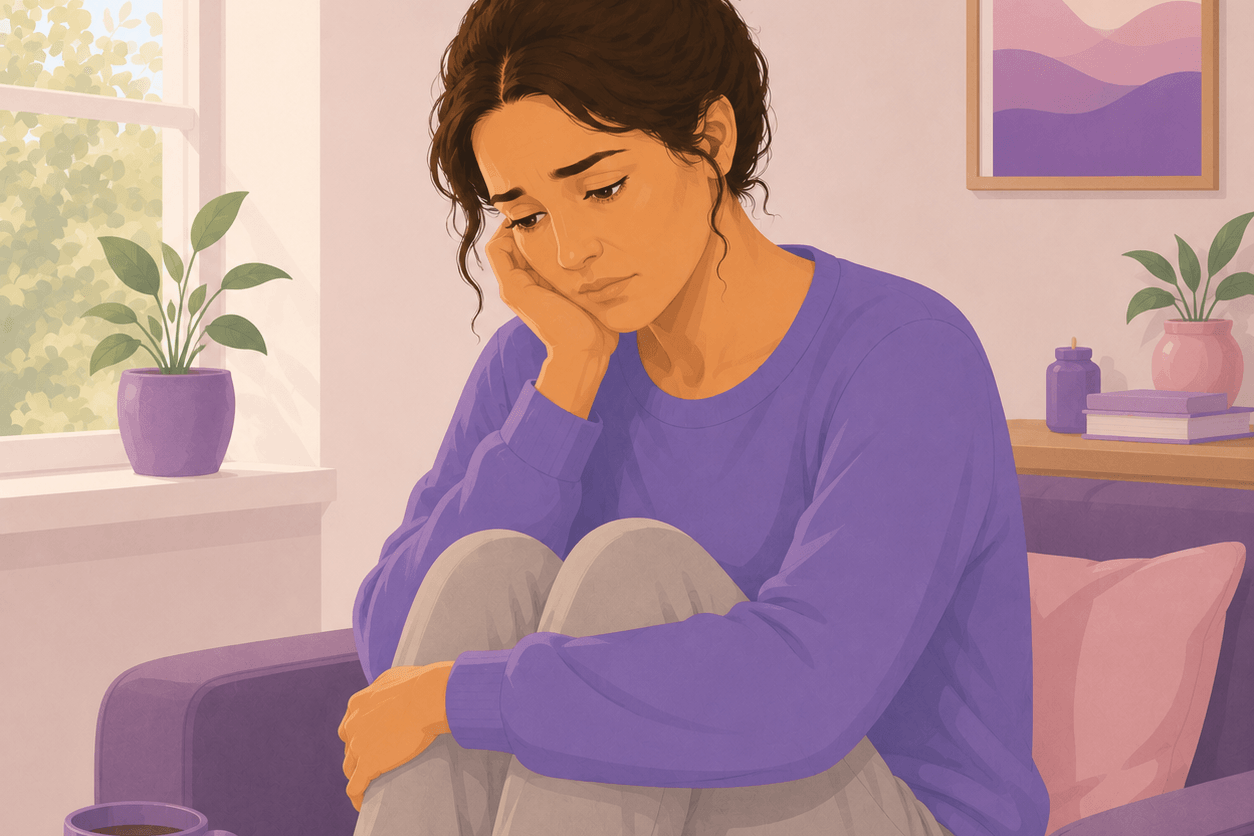
Do you look in the mirror and barely recognize the person staring back? A drop in self-esteem during perimenopause is surprisingly common, and incredibly human.
What’s Happening in Your Body (and Life)? Physically, changes in weight, skin, and hair can make you feel disconnected from your body. Emotionally, hormonal shifts can increase anxiety and negative self-talk. And socially, this season often overlaps with identity-shaking life events — aging parents, kids leaving home (or returning), or changes in career or partnership. Feeling invisible in a culture that idolizes youth doesn’t help. It’s no wonder your confidence might take a hit.
Actionable Tips to Nurture Your Self-Worth:
Focus on What Your Body Can Do: It’s easy to zero in on how your body looks. But what if you shifted your focus to what it does?
Try This: Start a simple strength-training program. The feeling of lifting a heavier weight or holding a plank longer can be incredibly empowering. Celebrate your body’s ability to move, support, and sustain you.
Curate Your “Confidence File”: Your brain has a negativity bias, meaning it’s more likely to dwell on what went wrong. You need to actively collect the evidence of your worth.
Try This: Create a folder in your email or a box in your closet. Every time someone compliments you, you meet a goal, or you create something you’re proud of — save it. When self-doubt creeps in, revisit your file.
Set and Enforce One Small Boundary: A drop in self-esteem is often tied to weakened boundaries. When you reclaim your time and energy, confidence follows.
Try This: Say “no” to one thing you don’t have capacity for. It can be as simple as: “I need 20 minutes to myself after work before I can make dinner.”
The 'Self-Compassion Break' Exercise
Self-criticism is one of the fastest ways to erode self-worth. This simple, science-backed practice from Dr. Kristin Neff can help you shift from self-judgment to self-kindness in just a few minutes.
Try This When You’re Feeling Down on Yourself:
Acknowledge the Suffering (Mindfulness): Put your hands over your heart and say to yourself, “This is a moment of suffering. This is hard right now. Ouch.” This simple act validates your pain instead of judging it.
Recognize Common Humanity (Connection): Gently say to yourself, “Suffering is a part of life. Other people feel this way. I am not alone.” This breaks the isolating feeling that you are the only one who is flawed or struggling.
Offer Yourself Kindness (Self-Kindness): Ask yourself, “What do I need to hear right now?” and offer yourself words of comfort as you would to a dear friend.
Examples: “May I be kind to myself.” “May I accept myself just as I am.” “May I give myself the compassion that I need.”
The Neurobiology of Your Inner Critic
That voice in your head telling you you’re not good enough? It has a name, and a neurological basis.
Meet the Default Mode Network (DMN)
This brain network kicks in when your mind wanders — thinking about the past, worrying about the future, or getting stuck in self-criticism. During perimenopause, hormonal changes can turn up the volume on this self-focused thinking loop:
Estrogen and progesterone help regulate mood and calm reactivity
As these hormones decline, the brain becomes more threat-sensitive and self-critical
You may find it harder to access the part of your brain that says, “I’m okay. Let’s zoom out.”
But you’re not stuck there.
Practices like mindfulness, journaling, movement, and self-compassion help reduce DMN activity. These practices reconnect you to the present moment — where your worth isn’t in question.